

Die Varin’nar
"The Varin’nar – People of the Flame
Varin’nar thal’vyn shael ithar.” - ‘The children of will forge their own path.’"

Meaning in Tehând
"Varin / Varyn = will, striving, human strength, the 'inner fire'
’nar = people, lineage, children (similar to -nai or -rinthar)
Those who forge their path through their own strength."
Description
The Varin’nar, also known as humans, are a people of unyielding will and insatiable curiosity. During the Age of Purification, they suffered the greatest losses among all the peoples of Ananthara, and to this day, they carry the shards of that time within them.
More mortal than any other race, they live short lives—rarely surpassing eighty years—and chose after the Purification to forge their own path: with their own gods, their own order, and their own moral code.
The Wyldheart, known in their lands as the "Varin," flows through them as a flame of striving. It grants them the drive to create, shape, and uphold their own order.
They are merchants, scholars, and conquerors alike, driven by the vision of attaining justice and strength through their own power, rather than submitting to the teachings of the ancient dragon gods.
Their greatest strength lies in their relentless passion for change. The Varin’nar are unafraid to break old structures, fight injustice, or unlock hidden potential—whether in nature, cities, or the hearts of others. They believe that transformation is necessary for growth, and that their power lies in striving for improvement and taking responsibility for their creations.

Chibi by hiiyuki
The elders once said: "The Varin’nar ignite their own light – and are consumed by it."
Thus, they are both creators and guardians, destroyers and visionaries—a people who shape the world without ever fully knowing or respecting its limits.
Appearance
The Varin’nar’s appearance varies greatly across regions and family lines. They have human proportions, often with athletic or strong builds, reflecting their adaptation to life in cities, deserts, or mountains. Skin tones, hair colors, and eye colors range from light to dark, often influenced by regional traits. Clothing and armor are adapted to climate, occupation, and social rank, with colors, fabrics, and embellishments signaling status and affiliation.
Distinct Features: Some bear scars, tattoos, or ritual markings that reflect personal or familial significance.
Age and Appearance: Mortal, with youthful strength and vigor lasting into middle age; aging begins relatively early, and physical beauty and power decline noticeably after the age of 60.
Culture and Lifestyle
The Varin’nar live in a hierarchical society governed by royal families, guilds, and noble houses. The king or queen serves not only as a political leader but also as a spiritual guide, whose connection to the Flame of Aspiration (Varin) provides divine legitimacy.
Beneath the crown exists a network of respected houses, regional rulers, and councils managing cities, trade routes, and military units. Influence and power are earned through loyalty, strategic skill, bravery in battle, and the ability to channel the Flame of Aspiration.
The Varin’nar are skilled warriors, scholars, and merchants. Their cities often lie along rivers or fertile plains, featuring monuments, temples, and palaces that symbolically reflect the light of the Flame of Aspiration. Central trade hubs are overseen by the guilds of Ve’ild, the central human kingdom, granting the Varin’nar economic independence and political influence far beyond their borders.
This energy is expressed in the construction of grand cities, the forging of new alliances, and the conquest of lands—a testament to their drive, vision, and enduring ambition.
Ambitions and Society
The Varin’nar strive to create order, build, and challenge existing structures. Where they create, they may also destroy; where they rule, they ignite intrigue. Their passion for change drives them to push boundaries, venture into the unknown, and shape the world according to their vision—even if it means breaking ancient laws and traditions.
Daily life reflects their social hierarchy through rituals, festivals, and training programs. Boys and girls are instructed early in traditions, warfare, and diplomacy. Those who master the Varin within gain high status and can exert influence over houses, cities, or entire regions.
Ruling families train from childhood, mastering not only politics and warfare but also the chaotic magic that arises from conflict and oppression. While rulers pursue their ambitions, the common people often bear the burdens of caste systems, strict order, and spiritual emptiness.
In times of crisis, the Varin’nar demonstrate remarkable courage: defending their lands, supporting allies, and leading their people with wisdom and bravery—always driven by the desire to secure freedom and prosperity for their communities. Like the legendary heroes of old, they face selfless dangers to keep the Flame of Aspiration burning bright.
Although their society is structured hierarchically, it fosters a proud and resilient culture. Among rulers, there is a deeply ingrained duty to protect the people and defend Ananthara, preventing another cataclysmic cleansing. Amid intrigue, conflict, and the relentless drive for progress, the Varin shines as a guiding light—symbolizing hope, strength, and unity. It reminds all that the Varin’nar remain upright, courageous, and proud, forging their path even without the dragons and gods who once ruled.

The Kael‘nar - The Nomads
"Kael’nar ithar’nyn shael mir’thal." – "The path is the heart that guides us."
Etymology:
Kael = path, journey, travel → symbolizes movement, adventure, and destiny.
’nar = the elders, the ancient.
Overview:
The Kael’nar consciously reject the rigid hierarchies of their people. They live as nomads in the remote mountains of Ananthara, adapting to life far from centralized cities. Their physique resembles that of their Varin’nar cousins—athletic, enduring, and resilient—but their clothing, body paint, and jewelry are often crafted from natural materials: fur, leather, bone, and mountain crystals.
Appearance:
Kael’nar frequently bear tattoos and markings that indicate clan affiliation, personal achievements, and hunting successes. Their eyes are sharp and observant, perfectly suited for life in the highlands. Many Kael’nar ride massive, specially bred wolves, serving both as loyal companions and hunting partners. These animals are both a practical necessity and a symbol of status in their rugged mountain environment.
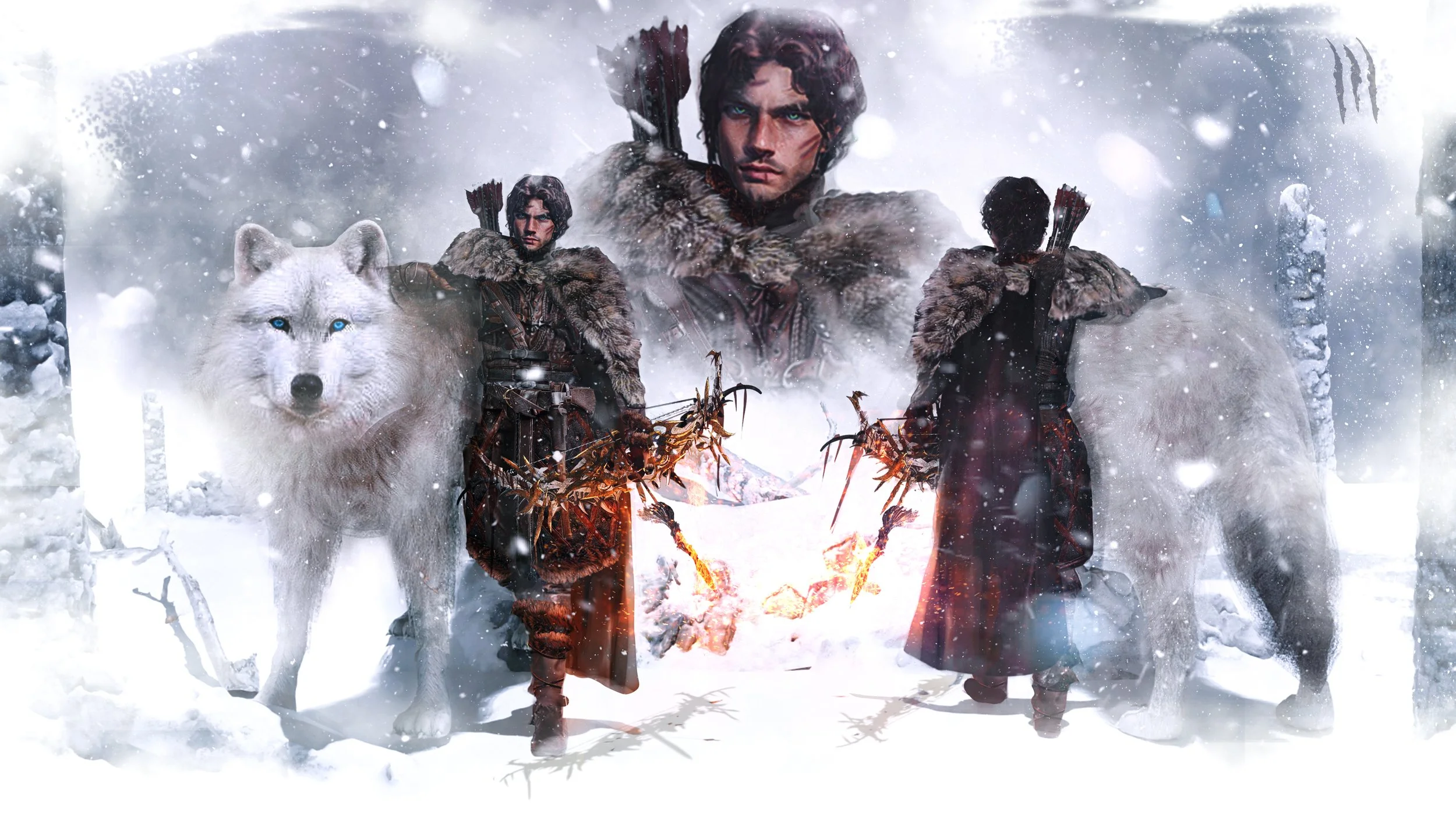
Kael’nar – Culture and Lifestyle
The Kael’nar live in small, tightly-knit clans loosely connected to one another. Each clan follows its own rules, but shared values like courage, loyalty, survival skills, and protection of their territory are paramount. They are masters of hunting, tracking, and wilderness survival, knowing the mountains and their dangers intimately.
Spirituality:
Kael’nar spirituality is deeply connected to nature. Mountain peaks, rivers, caves, and ancient stone circles are considered sacred. Unlike their city-dwelling relatives, the Kael’nar do not follow the Flame of Aspiration; instead, they align with the cycles of nature, the hunt, and their own instincts.
Lifespan and Health:
Due to their life in the wild, physical activity, fresh mountain air, and natural diet, Kael’nar live significantly longer than their urban Varin’nar cousins. While most city Varin’nar live around 80 years, Kael’nar can reach 100 years or more in good health. Their deep connection to nature, balanced lifestyle, and reduced exposure to urban chaos magic protect them from many of its harmful effects.
Society and Structure:
The Kael’nar reject centralized rule. Instead of kings or councils, experienced elders and highly skilled hunters make important decisions. Authority is earned through experience, bravery, and wisdom—not birthright or bloodline. Decisions are often made in open-air gatherings, around fires or on mountaintops, and are binding for the entire clan.
Key Traits and Special Features:
Strong bonds with their wolf companions, who serve as partners, mounts, and family members.
Expertise in mountain hunting, tracking, and survival skills.
Living in harmony with nature and the elements, often removed from city politics.
Kael’nar clans are fiercely independent, proud, and resistant to external control.
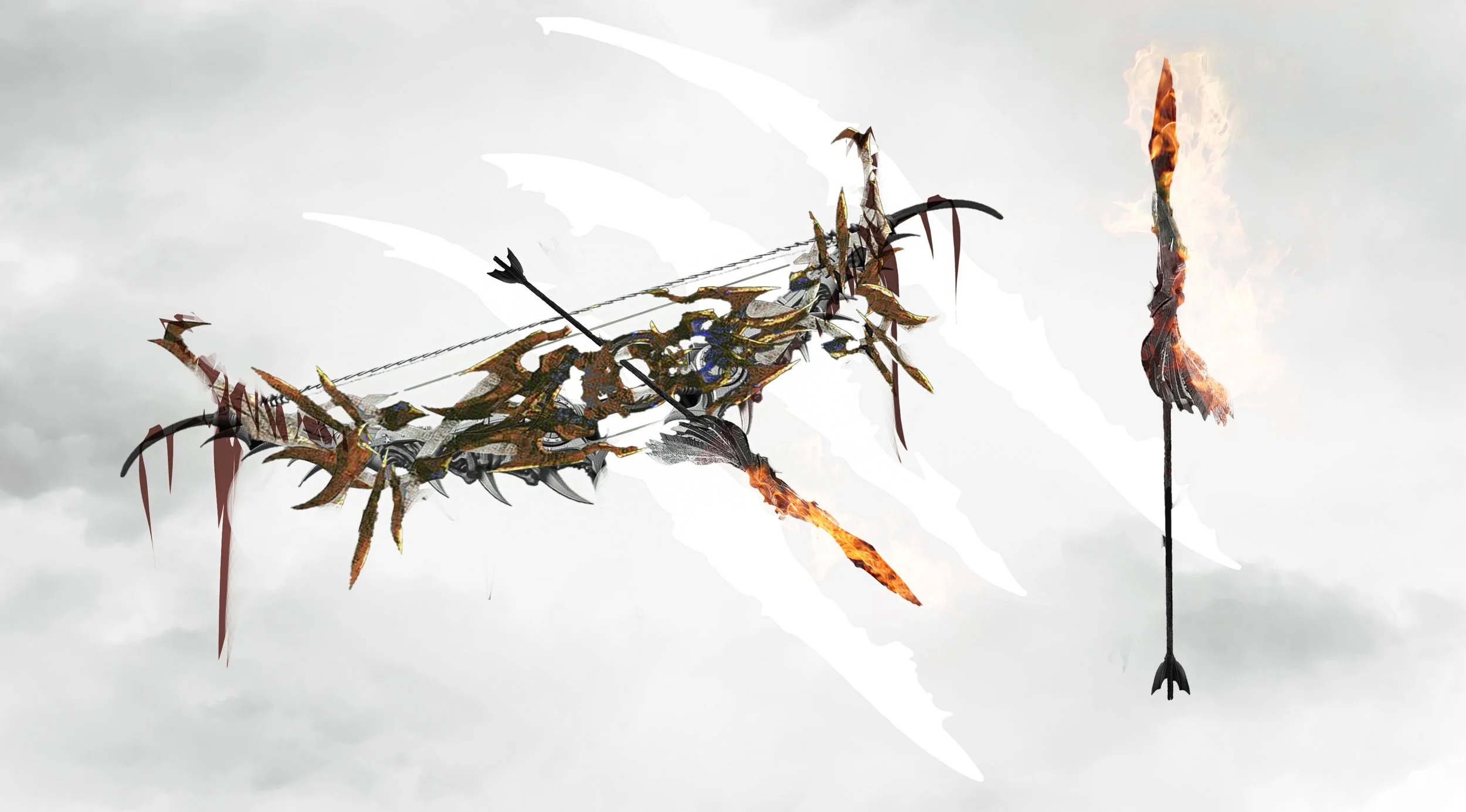
Bow from the Nomads
Read more
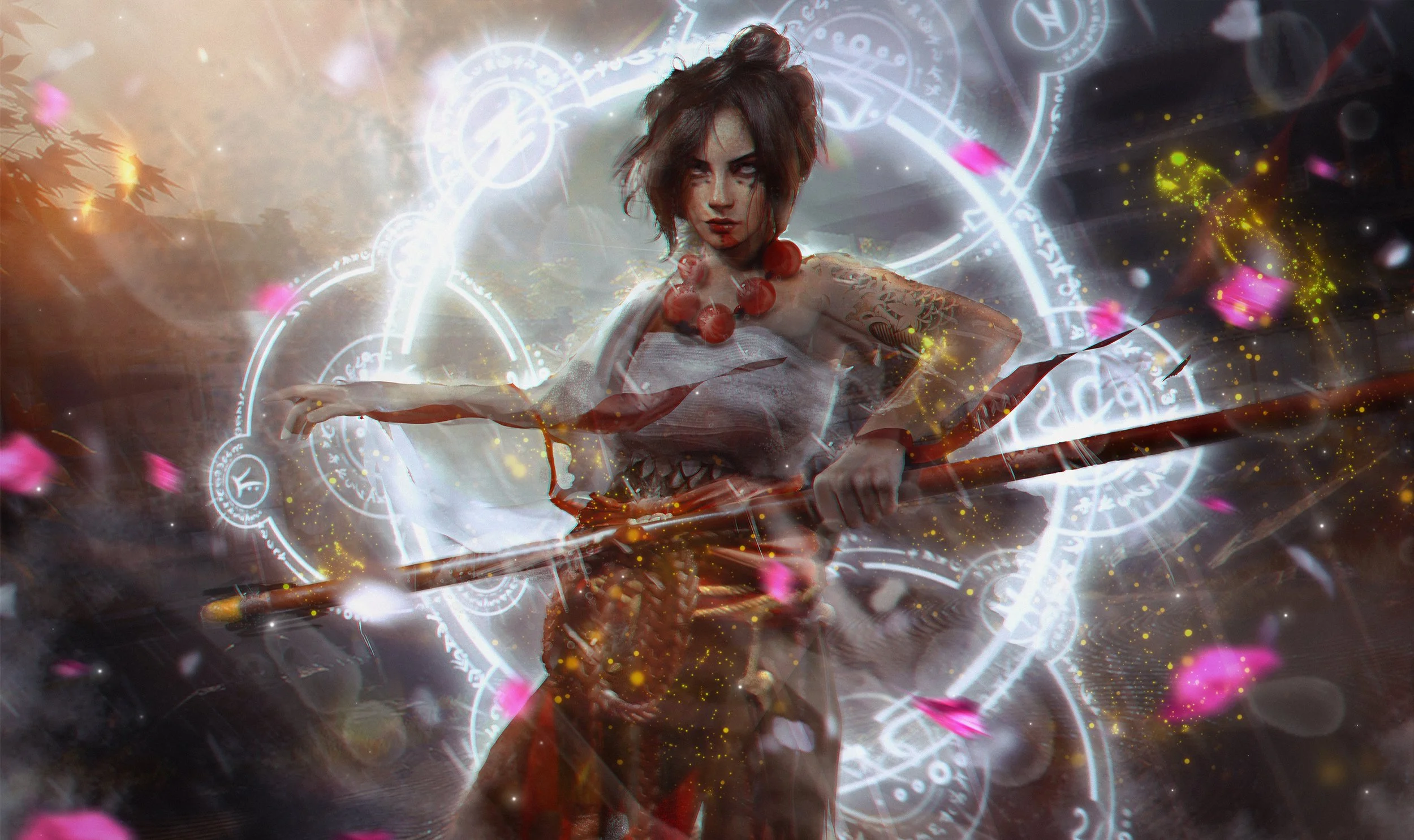

The Dur’kaen are not only skilled smiths, researchers, and shamans – they are the guardians of dragonblood, with their bodies, skin, and magic directly connected to the mountains and magical mineral flows. From the Children’s Fire Trial to the ancient rituals of the Call of the Mountain, they craft weapons, structures, and artifacts that preserve the legacy of the dragons. Discover how their flame, rituals, and knowledge shape the world of Ananthara.